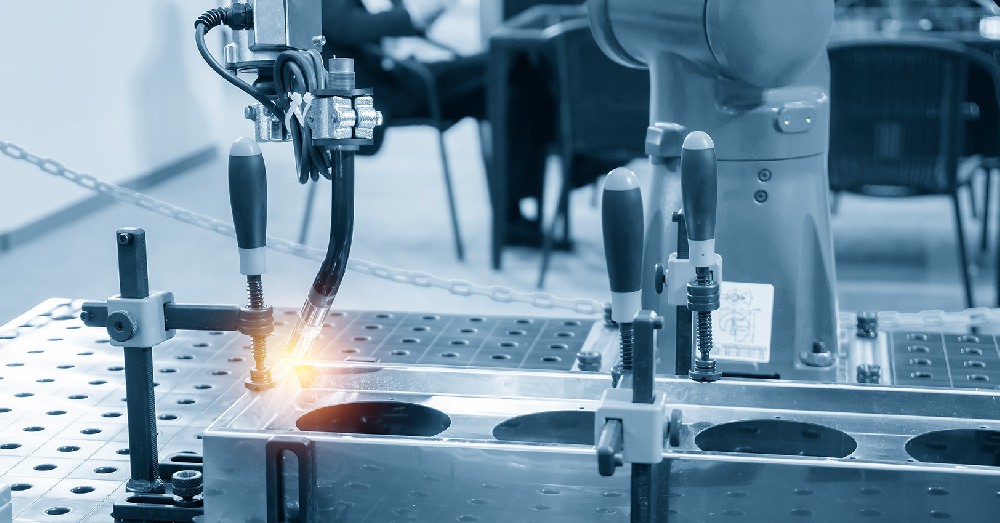
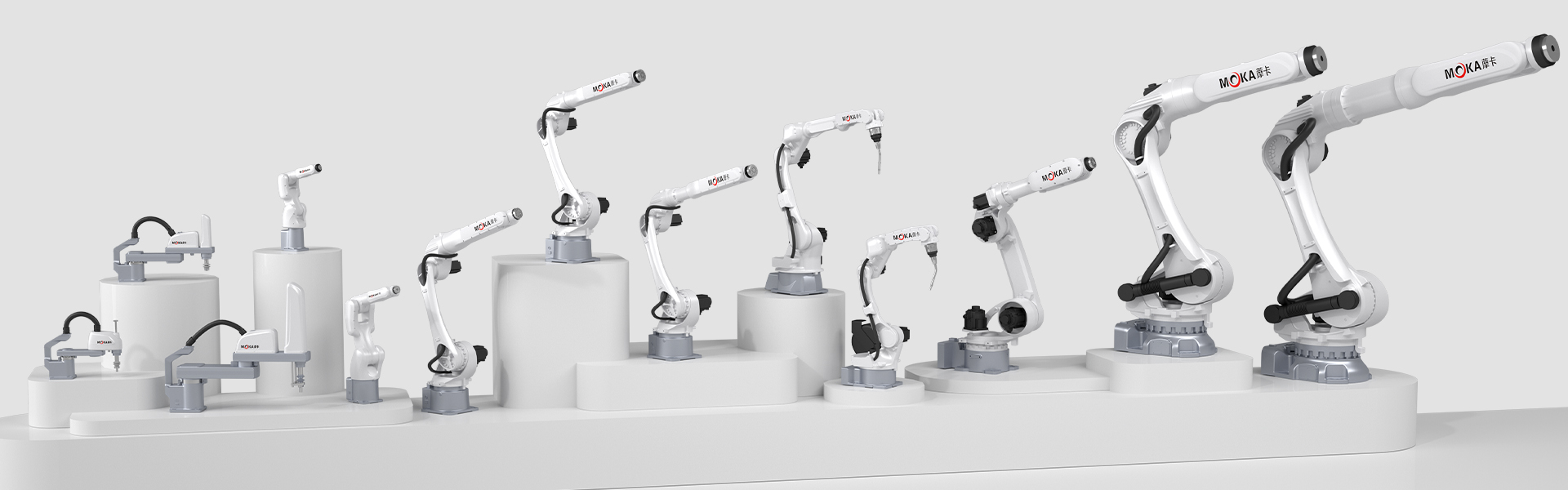
The 3C industry (Computer, Communication and Consumer Electronic) is one
of the most important pillar industries in my country's manufacturing
industry.
The use of industrial robots is second only to automobiles and auto parts.
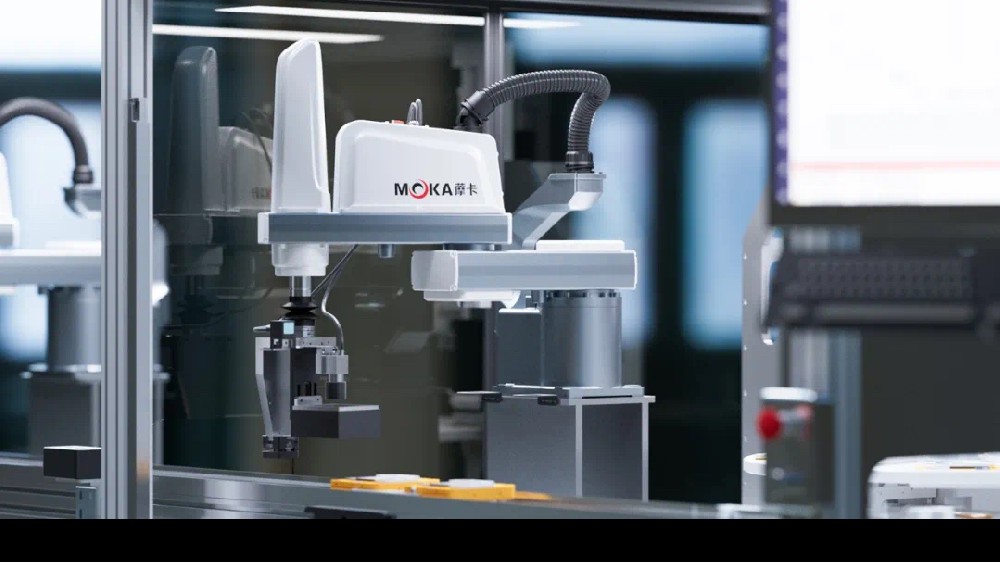
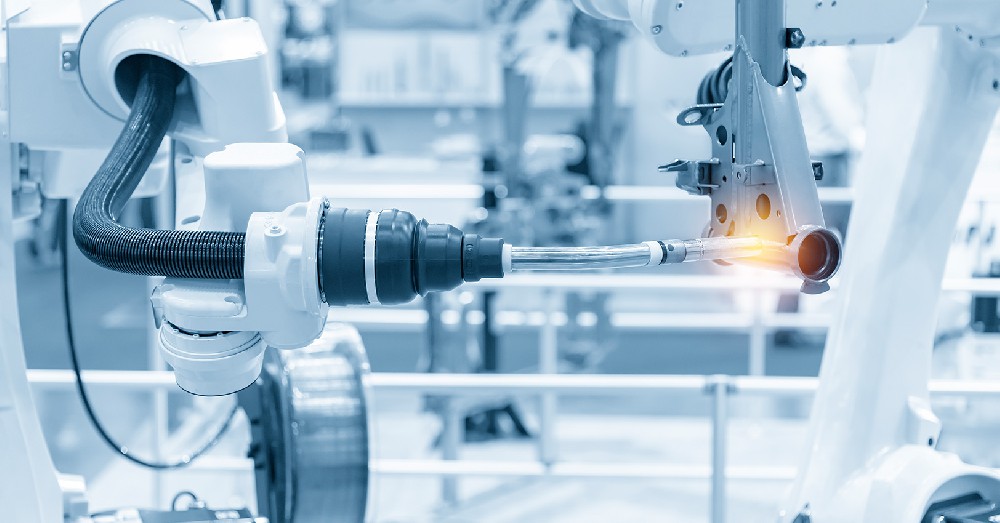
Metal forming machine tools constitute a vital segment of machine tool equipment. Forming processes are typically associated with high labor intensity, noise pollution, and metal dust exposure. Operations often occur in high-temperature, high-humidity environments, sometimes even in contaminated conditions. The work is monotonous and tedious, making it difficult for enterprises to recruit personnel. Integrating industrial robots with forming machine tools not only addresses staffing challenges but also enhances processing efficiency and safety while improving machining precision. Numerous processes within the metalworking industry can be automated through robotic substitution, enabling fully automated production.
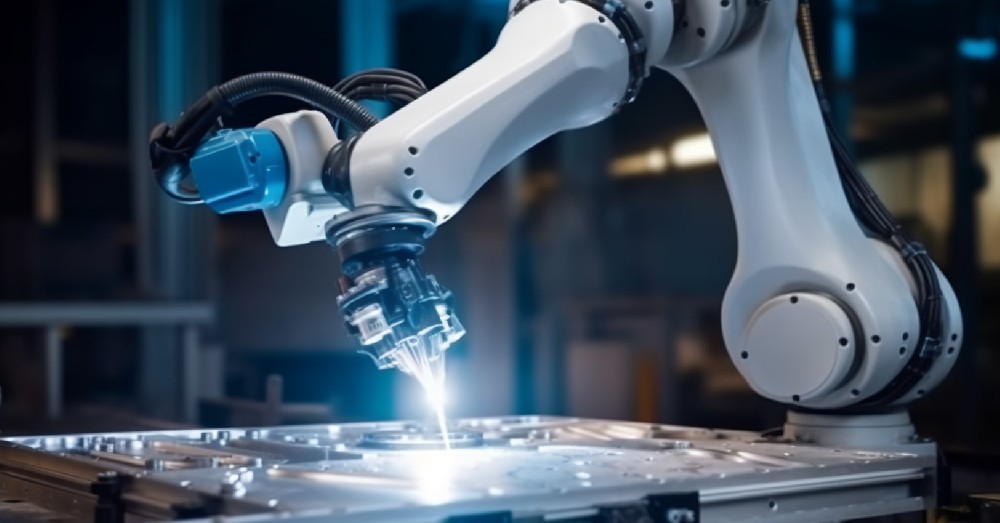
In automobile manufacturing, industrial robots are widely used. They can be employed to process and produce various automotive components, such as vehicle bodies, engines, tires, brakes, and more.
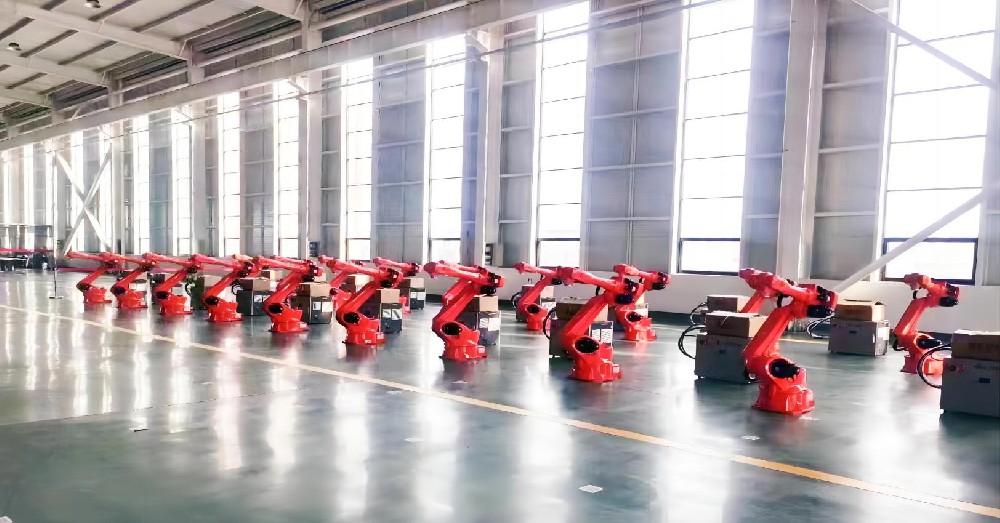
China is a major manufacturing powerhouse. Industries such as food, beverage, tobacco processing, apparel, textiles, leather, woodworking, furniture, and printing form a vital part of our industrial manufacturing, accounting for 30.2% of the nation's manufacturing output. While the processes required across these sectors vary widely, tasks like loading and unloading, material handling, sorting, and packaging are essential to nearly every one of them.
Construction materials typically include cement, sand and gravel, lumber, wood panels, gypsum boards, framing studs, bricks and tiles, structural components, various pipes, electrical and plumbing fixtures, reinforcing bars, plastic sheets, and small construction tools and equipment. Additionally, decorative materials such as glass, stone slabs, various flooring types, lighting fixtures, paints and auxiliary materials, doors and windows, hardware, rubber and plastic fittings, wallpaper, and wall fabrics. This constitutes a relatively large category within the manufacturing industry.