MOKA Robot

+86-19150197267
SCARA
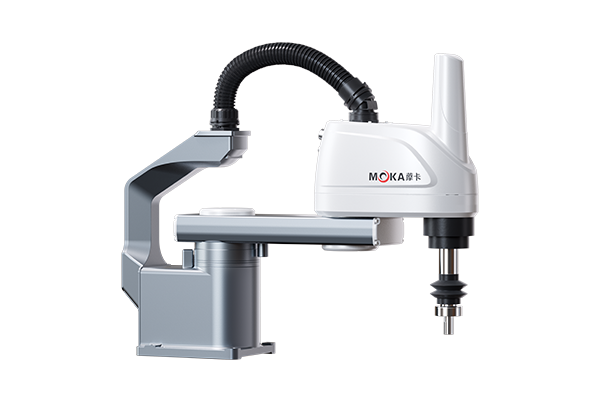
Selecting a SCARA robotic arm, a specialized type of industrial robot with cylindrical coordinates. SCARA robots feature three rotating joints with mutually parallel axes, enabling positioning and orientation within a plane. The fourth joint is a translational joint, facilitating end-effector movements perpendicular to the plane.
explore more
SCARA
Punch Press
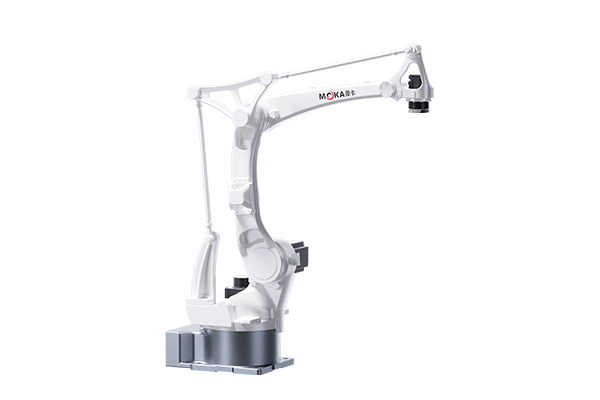
Stamping robots are versatile industrial robots specifically designed for integration with various punch presses and hydraulic presses. They efficiently replace manual stamping operations and enable automated loading and unloading. These robots feature multiple degrees of freedom, including flexible vertical lifting, horizontal rotation, horizontal axis extension/retraction, workpiece rotation, and workpiece flipping. They automatically adapt to the height of the press, feeding height, and unloading height, maximizing compliance with diverse stamping product process requirements. This enables the realization of unmanned, automated smart factories.
explore more

Punch Press
Welding
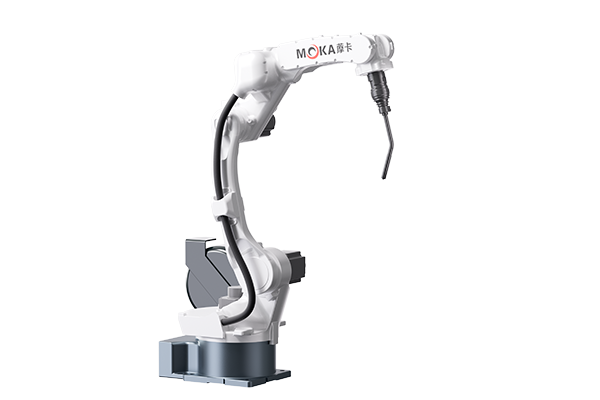
Welding robots are industrial robots designed for welding operations, including cutting and spraying. According to the International Organization for Standardization (ISO) definition of standard welding robots, an industrial robot is a multi-purpose, reprogrammable, automatically controlled manipulator with three or more programmable axes, used in industrial automation.
explore more
Welding
Loading & unloading handling
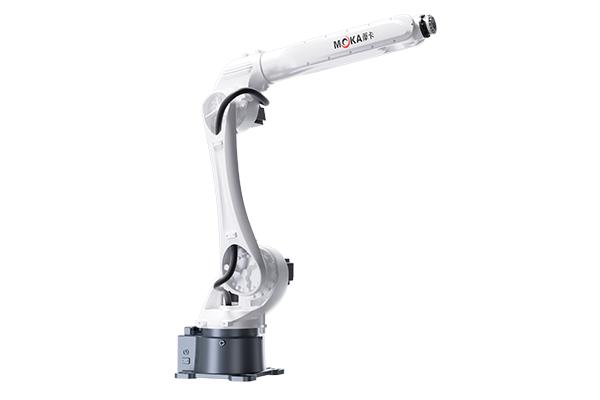
Material handling robots are industrial robots capable of performing automated material handling tasks. The earliest material handling robots appeared in the United States in 1960, with the Versatran and Unimate robots first used for material handling operations. Material handling refers to the process of gripping a workpiece with a device and moving it from one processing location to another.
explore more
Loading & unloading handling
Die casting & polishing
Grinding and polishing are indispensable foundational processes in manufacturing. Traditional manual grinding methods suffer from high defect rates, low efficiency, and uneven surface roughness on finished products. Moreover, the noise and dust generated during grinding pose significant health hazards to workers.
explore more
Die casting & polishing